❯ cat /work/mikeas-movement.case
MIKEAS Movement
D2C ecommerce for a Mexican lifestyle apparel brand — storefront, checkout, admin
stack: Next.js 15 · TypeScript · PostgreSQL · Playwright · Vitest
situation
A Mexican apparel brand selling direct-to-consumer needed a storefront and back office built from zero: catalog, cart, checkout, order management, analytics. Most of its traffic is mobile, so mobile is the design target, not an afterthought.
evidence
- Exhibit 1
- mobile-first, enforced
storefront and admin are designed at phone width first, from the first mock onward
- Exhibit 2
- cookies/CORS/touch
the bug classes that unit tests cannot catch — the reason every module ships with cross-device E2E
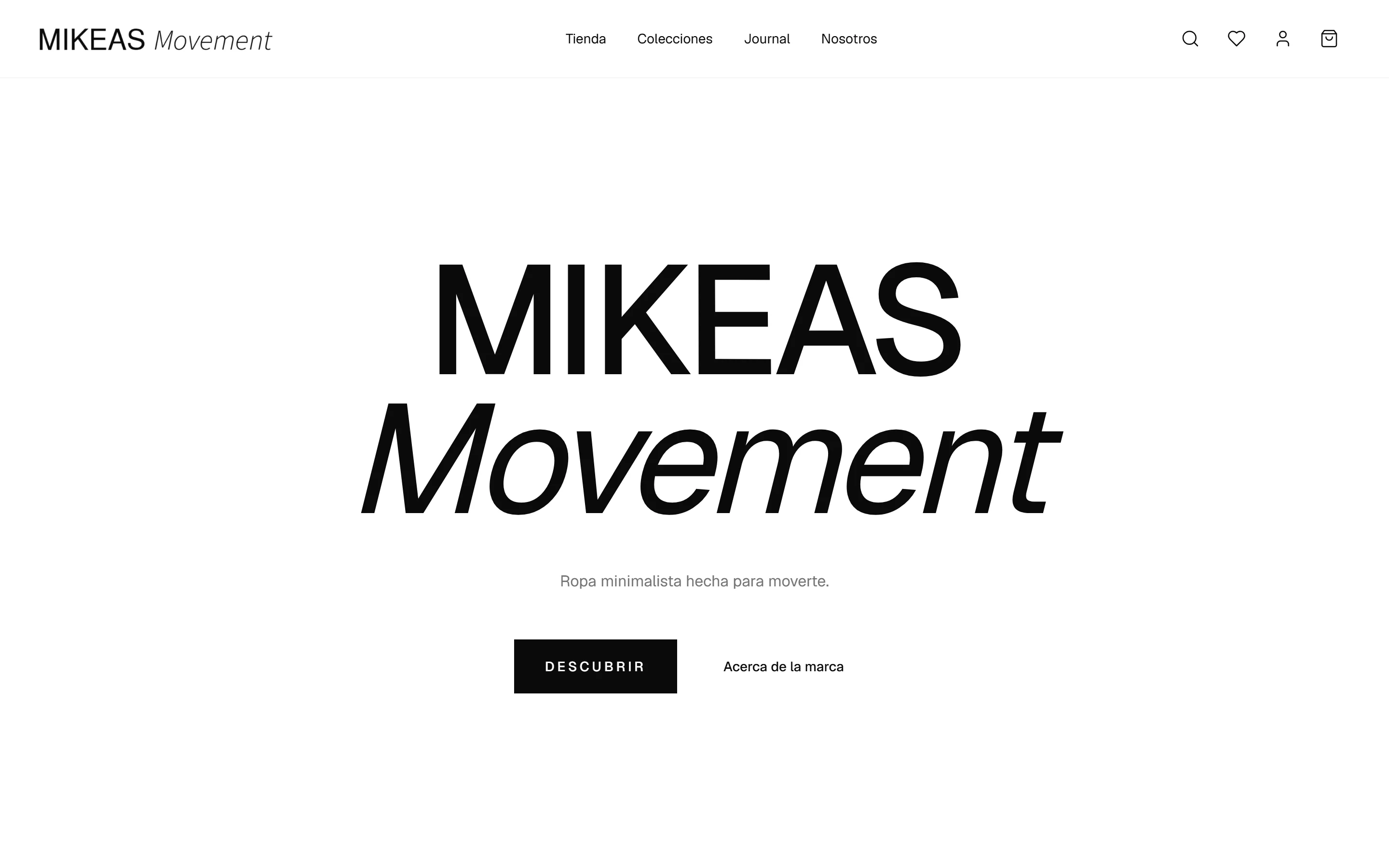
visual evidence

diagnosis
Ecommerce quality is an integration property: a checkout that passes unit tests can still lose carts to a cookie misconfiguration on iOS Safari. The discipline that matters is full-flow testing on the devices customers actually use, run before anything reaches production.
intervention
- 01
Next.js 15 full-stack build: storefront, cart and checkout flows, and an admin dashboard with shadcn charts for sales analytics.
- 02
Test pyramid per module: Vitest integration suites plus Playwright E2E covering the golden path and edge cases on desktop, iPad and iPhone viewports.
- 03
Release gate: E2E suite runs against the local API + database before any push, because a push deploys to production.
- 04
Admin and storefront share a design system; responsive behavior is reviewed at every breakpoint as part of the definition of done.
outcome · verified
- Exhibit 1
- 3 devices
desktop, iPad, iPhone — every module E2E-tested before release
- Exhibit 2
- push = prod
trunk deploys safely because the release gate is non-negotiable